Finding the right Direct Support Professional (DSP) can be a daunting task, especially when it comes to caring for a loved one who has unique needs. In this comprehensive guide, we'll explore everything you need to know about choosing the ideal DSP for your family. From understanding the role of a DSP to tips on how to find the right candidate, we've got you covered.
Understanding the Role of a Direct Support Professional
What is a Direct Support Professional?
A Direct Support Professional (DSP) plays an essential role in providing care and support to individuals with disabilities or special needs. They are trained caregivers who assist in daily living activities, fostering independence and enhancing quality of life. DSPs work in various settings, including homes, community centers, and residential facilities.
Key Responsibilities of a DSP
The responsibilities of a DSP can vary widely depending on the individual’s needs but usually include:
- Assisting with personal care (bathing, dressing). Supporting educational and vocational activities. Managing medication administration. Facilitating community integration. Developing social skills.
Understanding these responsibilities helps families gauge what they should look for in a candidate.
Why is Choosing the Right DSP Important?
The right DSP can make a significant difference in your loved one's life. A good fit can lead to better emotional well-being, improved skills development, and increased independence. Conversely, an unsuitable match can lead to stress for both the individual and their family members.
Assessing Your Family's Needs
Identifying Specific Requirements
Before searching for a DSP, it's crucial to identify your family member's specific needs. Consider their physical health requirements, communication preferences, and any behavioral challenges they may face.
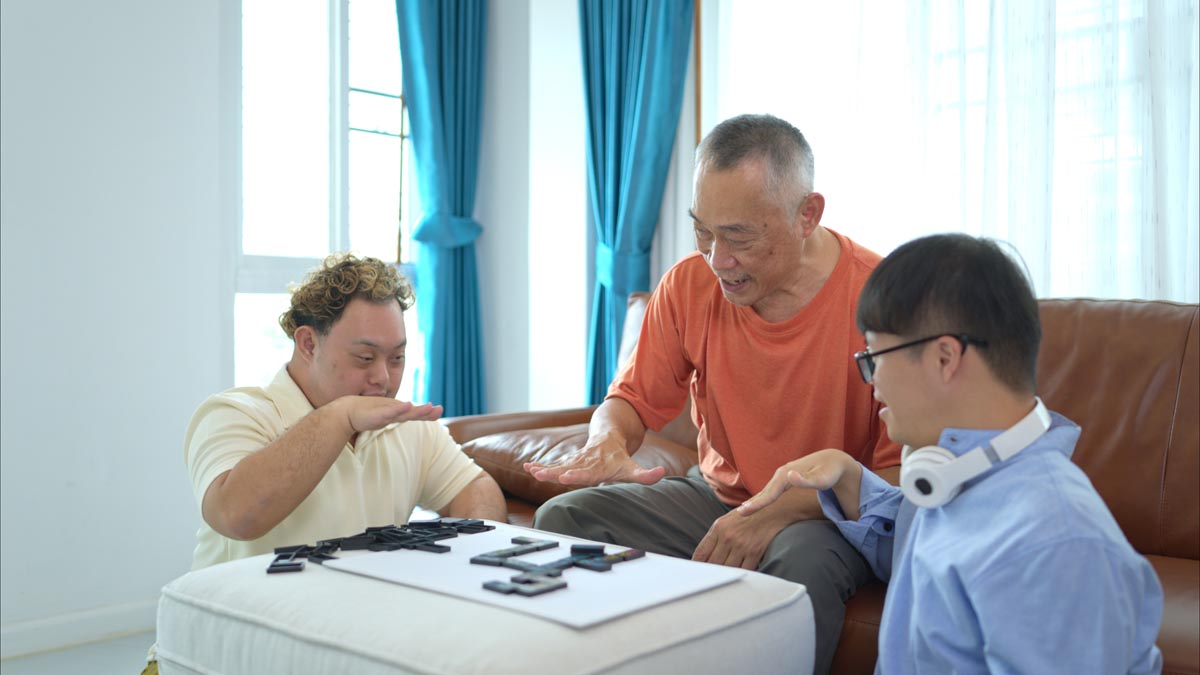
Creating a Comprehensive Care Plan
A well-defined care plan outlines what kind of support your loved one requires. This could include:
- Daily routines. Medical needs. Social interaction goals.
Creating this plan will help potential candidates understand how they can best serve your family member.
A Guide to Finding the Right Direct Support Professional for Your Family: Where to Start?
Research Local Resources
Start by researching local agencies that specialize in providing direct support professionals. These organizations often have pre-screened candidates available for hire.
Utilize Online Job Boards and Platforms
Websites like Care.com or Indeed allow you to post job listings specifically looking for DSPs. Make sure your listing is detailed—include specific qualifications or experience required.
Network with Other Families
Reach out to other families who use DSP services. Personal recommendations can provide insights into potential candidates you might not find through traditional means.
Evaluating Candidates: What Should You Look For?
Experience and Training Background
When reviewing candidates’ resumes or profiles, take note of their relevant experience. Have they worked with individuals with similar needs? What kind of training have they received?
Soft Skills Matter Too!
While technical skills are essential, soft skills such as empathy, patience, and communication are equally important. A good DSP should be able to connect emotionally with your loved one.
Conducting Effective Interviews: Questions That Matter
Sample Interview Questions for Direct Support Professionals
What motivated you to become a Direct Support Professional? Can you describe your experience working with individuals with similar needs? How do you handle challenging situations? What techniques do you use for encouraging independence? How would you communicate effectively with my family member?These questions will help you better understand each candidate's approach and philosophy regarding care.
Background Checks: Ensuring Safety First!
Importance of Conducting Background Checks
Safety is paramount when inviting someone into your home or allowing them to care for your family member. Conducting thorough background checks is essential; this includes checking references from previous employers as well as criminal history checks if applicable.
How To Conduct Background Checks Effectively?
You can either conduct background checks yourself or use professional services specializing in caregiver vetting. Make sure you get permission from candidates before doing so!
Trial Periods: Testing Compatibility Before Committing
Why You Should Consider Trial Periods?
It’s always wise to consider having a trial period before fully committing to hiring someone as your family’s DSP. This allows both parties—your loved one and the professional—to see if they're https://www.merchantcircle.com/essential-services-mcminnville-or compatible without long-term obligations.
Setting Expectations During Trial Periods
Clearly outline expectations during the trial period so that everyone knows what success looks like!
Training Opportunities: Ensuring Ongoing Development for Your DSP
Importance of Continuous Training
Even after hiring a qualified candidate, ongoing training opportunities should remain available. This helps ensure that they are up-to-date on best practices while also improving their skill set over time.
Types of Training Programs Available
Consider enrolling them in programs focusing on disability awareness, first aid/CPR certification, or specialized training based on your loved one’s unique needs.
Communication Strategies: Keeping Everyone Informed!
Establishing Open Lines of Communication
Effective communication between families and their DSPs is key! Regular check-ins help ensure that everyone is aligned regarding care expectations and changes in behavior or health conditions experienced by your loved one.
Using Technology For Better Communication
Apps designed specifically for caregiver-family communication can streamline updates on daily activities while also keeping both sides informed about any concerns that arise instantly!
Building Trust Over Time: The Key To Long-Term Relationships
Why Trust Matters In Caregiving
Trust forms the foundation upon which successful caregiving relationships are built; thus fostering open conversations about feelings around trust issues may prove beneficial moving forward!
Strategies For Building Trust With Your New DSP
Encourage transparency by discussing boundaries together openly while allowing time spent together naturally build rapport!
Navigating Challenges Together: When Things Get Tough
Understanding Common Challenges Faced By Families And Their DSPs
Whether it's miscommunication occurring frequently or disagreements regarding treatment plans—challenges will inevitably arise throughout this journey!
Strategies For Resolving Conflicts Effectively
Having established protocols encourages open dialogue during tough times while emphasizing problem-solving techniques rather than blame-shifting behaviors among all involved parties’ perspectives!
Celebrating Successes Together: Recognizing Achievements Along The Way
The Importance Of Celebrating Milestones Together
Acknowledge progress made by recognizing achievements big & small fosters motivation within both individuals involved & inspires future growth towards continued success!
Conclusion: The Journey Towards Finding The Right Direct Support Professional Is Worth It!
Finding the right Direct Support Professional is no small feat—it requires time dedication along every step taken! However investing effort into this process ensures long-lasting positive outcomes not only benefiting those directly involved but ultimately enriching entire families' experiences too!
FAQs
What qualifications should I look for in a Direct Support Professional?- Look for certifications related to caregiving such as CPR/First Aid training plus any specialized education based on specific disabilities handled previously by applicants!
- It's not uncommon; don’t hesitate exploring alternative options until finding someone who fits perfectly into existing dynamics seamlessly!
- Yes! Various government programs offer funding opportunities specifically targeting families needing additional help caring for disabled members within households—research local resources thoroughly!
- Regular check-ins (weekly/monthly) encourage open lines ensuring everyone stays informed about ongoing developments while addressing any concerns promptly before escalating further down road ahead!
5. Can I request changes after hiring someone if needed later down line?**
- Absolutely! Flexibility exists throughout entire caregiving journeys including making necessary adjustments whenever required without causing major disruptions overall hereafter being respectful towards all involved parties throughout process itself too..
6. What happens if my loved one doesn't get along with their new direct support professional initially ?
- It’s vital assessing compatibility early-on since sometimes different strategies work better suited depending person-centered approaches utilized during interactions overall too—the goal remains ensuring comfort levels maintained consistently across board regardless situations encountered together moving forward thereafter!.
In summary—navigating through finding ideal supports proves challenging yet rewarding ultimately—as every step taken leads towards building enhanced lives full positivity surrounding those we cherish most dearly every day thereafter continuing onward down paths filled joyfulness forevermore!.